 Check today’s price
 Brand review · 3 min read
Django Coffee Co. coffee review
What Django Coffee Co. sells, what it costs against the rest of the market, and who should buy it.
Django Coffee Co. sells 61 coffees in the UK and the cheapest comes out at 54p a cup, which is less than most of the whole bean coffee we track. Cheap coffee is easy to find and hard to trust, so the useful question is not whether it is cheap. It is what the range actually contains, and whether the bag doing the heavy lifting is the one you would want.
Short answer
A light roast with real acidity, best drunk black, and it undercuts the average.
Cheaper than 72% of the whole bean coffee we track
- Tastes
- Bright and floral, noticeably acidic
- Strength
- Mild
- Best for
- Filter and pour-over
- Valuecup price vs the format median
- 3/5
- Easy to likefrom the roast profile
- 4/5
- Good for beginnersblend, roast and pack size
- 3/5
Cheapest cup£0.54across 61 products
Against the market−14%vs the whole bean median
Two cups a day£7.56a week, £1.26 less than typical
Mostly roastedLightfloral, citrus
Buy it ifyou finish a 1kg bag inside six weeks
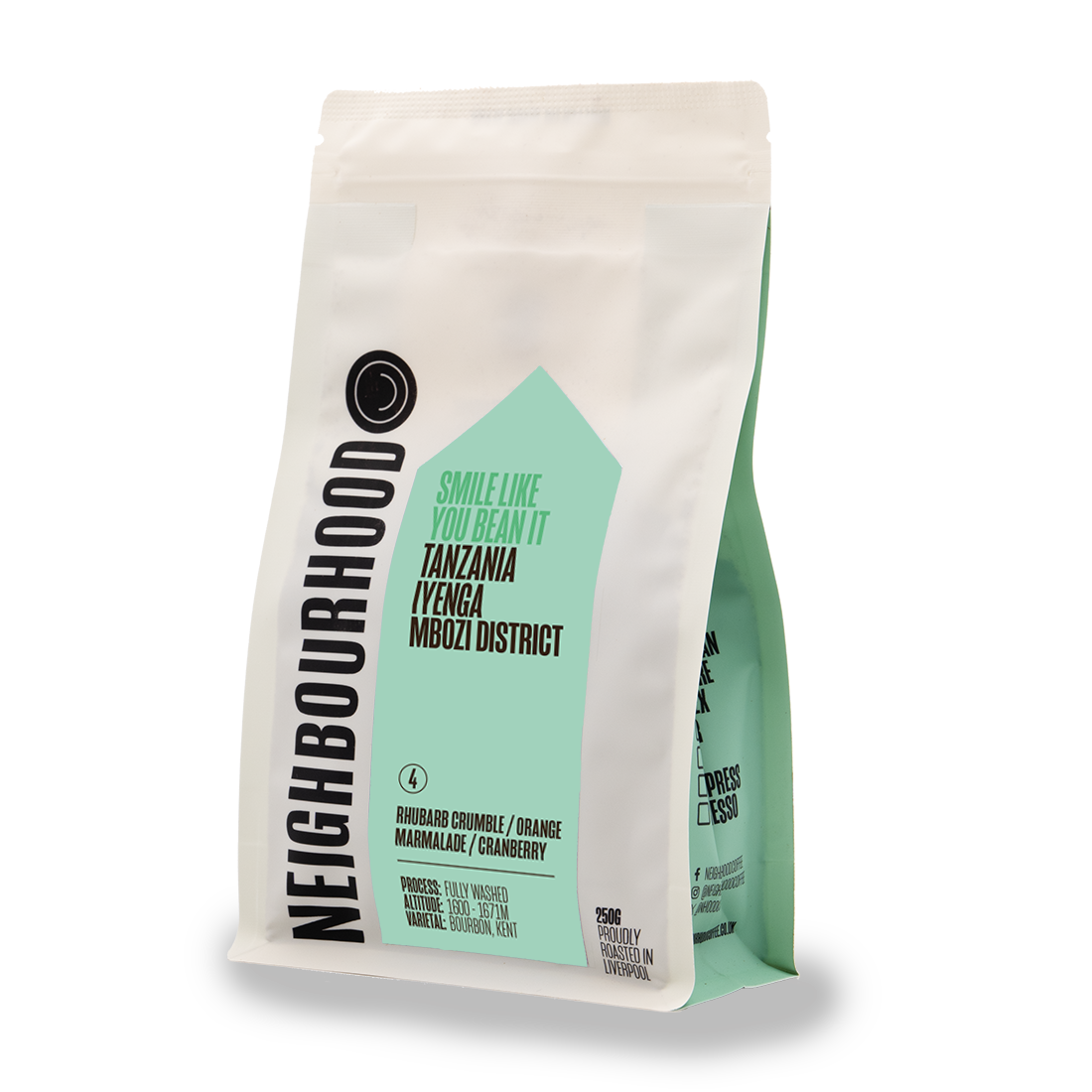
Skip it ifNeighbourhood Coffee at 54p would do
Django Coffee Co. products we track
Cheapest per cup first, with live prices.
Prices are the last we fetched and can move. As an Amazon Associate we earn from qualifying purchases. It never changes the order, which is always cheapest per cup first.
What kind of roaster this is
Django Coffee Co. sells whole bean in the UK, and we track 61 of their coffees, in 1kg, 250g and 500g.
69% of the Django Coffee Co. range we can classify is blended. Blending has a bad name it does not deserve; it is how a roaster keeps a coffee tasting like itself when the harvest behind it changes, and it is the reason your regular bag is still your regular bag in January. The buying reaches 21 countries across the range, which is a wide book for a brand this size. The roasting spans 3 of our five levels, so there is a genuine choice to make inside the range rather than one house style applied to everything. Bags come in both small and kilo sizes, and the gap between them per kilo is usually the largest saving available anywhere on this page.
Formats and origins
What Django Coffee Co. sources and sells. Each one is a live filter across every brand we track.
What Django Coffee Co. coffee costs
The range runs from 54p to £1.03 a cup across 61 products. That is a 1.9× spread inside a single brand, which is why "is Django Coffee Co. expensive" is the wrong question; the right one is which bag you pick. The cheapest is Maliba in the 1kg, and the dearest is Colombia Las Brisas in the 1kg.
| Product | Format | Size | Per cup | Per kg |
|---|---|---|---|---|
| Maliba | whole bean | 1kg | £0.54 | £30.00 |
| Mexico Puebla | whole bean | 1kg | £0.58 | £32.00 |
| Mukama | whole bean | 1kg | £0.58 | £32.00 |
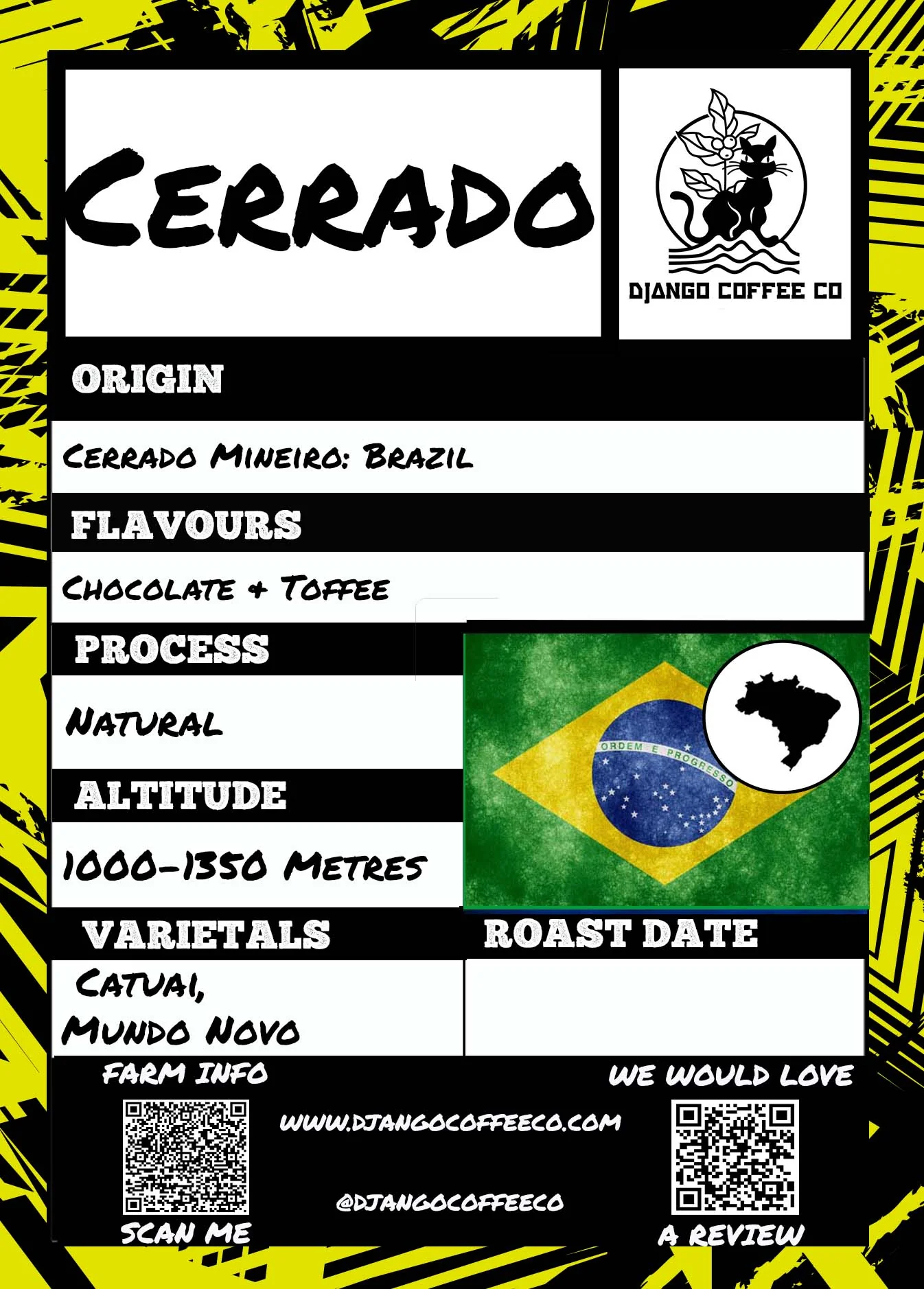
| Cerrado | whole bean | 1kg | £0.58 | £32.00 |
| Indonesia Gayo | whole bean | 1kg | £0.58 | £32.00 |
| Kenya Karii | whole bean | 1kg | £0.58 | £32.00 |
| Shikankoni | whole bean | 1kg | £0.58 | £32.00 |
| Papua New Guinea Arkau | whole bean | 1kg | £0.58 | £32.00 |
| Kili | whole bean | 1kg | £0.58 | £32.00 |
| Akawa | whole bean | 1kg | £0.58 | £32.00 |
| Cosma | whole bean | 1kg | £0.58 | £32.00 |
| Kenya Ichamama | whole bean | 1kg | £0.58 | £32.00 |
Bags themselves run £8.50 to £57.50. Ignore that column. A bigger bag costs more and almost always costs less per cup, which is the only number that follows you home.
The one to buy
If you buy one thing from Django Coffee Co., buy Maliba. At 54p a cup it comes in around 14% under the median for whole bean coffee, and that is measured against every brand in our catalogue rather than against Django Coffee Co.'s own list prices. Nothing else in the range gets close on that test.
What that costs over a year
How much coffee do you drink?
- Django Coffee Co.£0.54 per cup£394
- Typical whole bean£0.63 per cup, our median£460
At 2 cups a day, Django Coffee Co. costs £66 less a year than the typical whole bean coffee we track. That is the same coffee habit, bought better.
How Django Coffee Co. tastes
We have not tasted Django Coffee Co., so we are not going to invent a tasting note. A flavour score we did not earn would be worth less than none, and this section would be the easiest place on the site to quietly make one up. What we can show you is measured: where every coffee in the range sits on our own five-point roast scale, and which origins go into it. Roast is the strongest single predictor of whether a cup arrives bright and fruity or dark and chocolatey, so it is the closest honest answer to what this brand is like to drink.
How Django Coffee Co. roasts
Every coffee standardised onto our own five-point scale rather than the roaster's. Read these as tendencies: origin, process and how you brew all move the cup.
Who it suits
- People who found something they like and want it to taste the same next year, which is what a blend is for.
- Anyone whose real comparison is supermarket own-brand, judged per cup rather than by the label.
- People who want to choose their own roast rather than take the roaster's word for it, since the range covers 3 of our five levels.
Is it good value?
Our test is simple, and it is the same one we apply to everything: cost per cup against the median for the same format. Django Coffee Co. clears it comfortably on at least one product, which more brands fail than pass. Worth knowing that the saving is concentrated in the larger bags rather than spread evenly, so buying the small size gives most of it back.
What else to consider
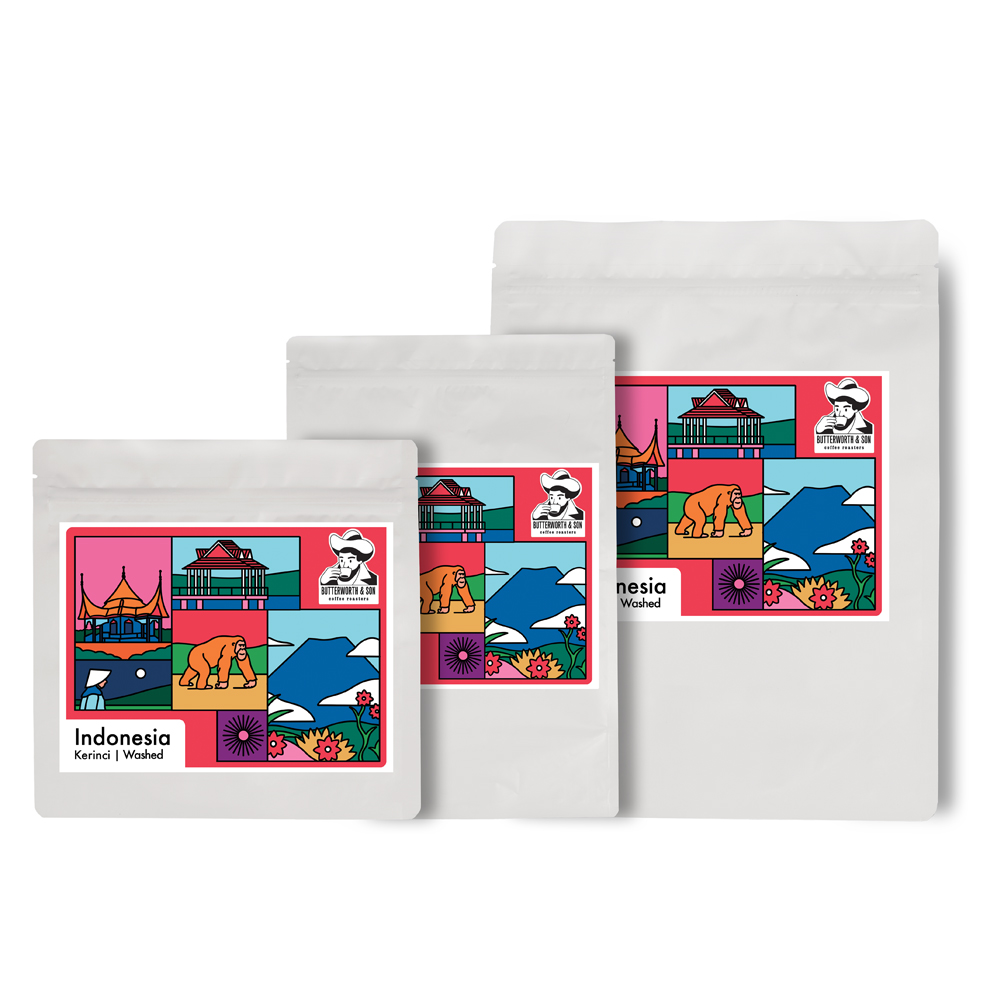
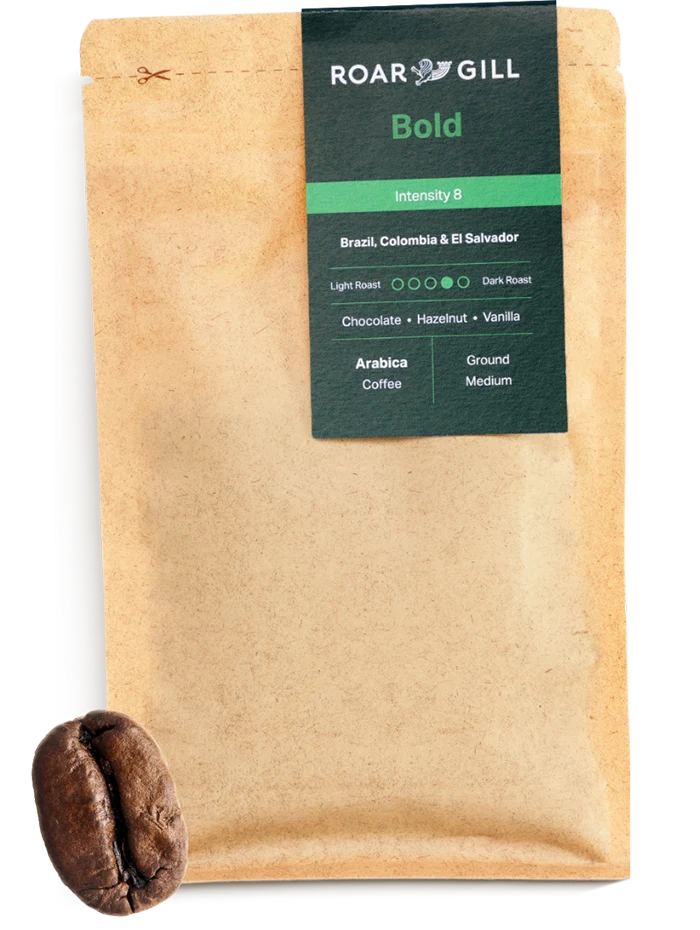
No brand is worth buying without knowing what sits next to it on price. These are the closest whole bean coffees we track to Django Coffee Co., and the comparison hubs will put all of them on the same per-cup basis if you want to go wider.
Coffees priced like Django Coffee Co.
The closest whole bean coffees on price per cup, from brands we also track. If one of these is cheaper for the same thing, that is worth knowing before you order.

Compare against the market
Keep reading
PricesDjango Coffee Co. price guideEvery bag priced per cup and per kilo, with the cheapest route to each one.BrandAll Django Coffee Co. pricesLive prices on all 61 products, cheapest cup first.CompareEvery whole bean coffeeAll 812 of them on one per-cup basis, filterable by roast and origin.ReviewNeighbourhood Coffee reviewThe closest brand to Django Coffee Co. on price, at 54p a cup.OffersToday's best valueEverything currently priced well under the median for its own format.