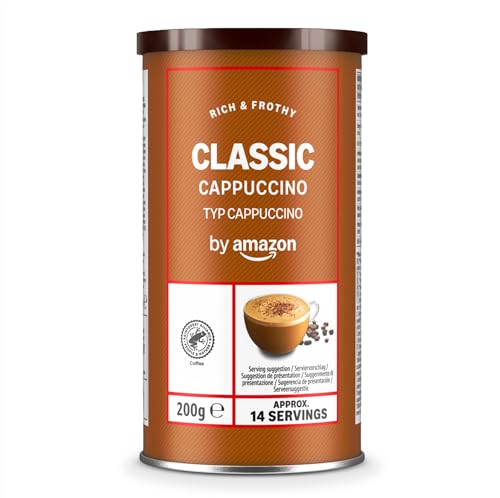
 Check today’s price
 Coffee prices · 1 min read
UK coffee price trends: where the money is going
The shape of the UK coffee market, format by format: what a cup costs at each end of the range, and which end is moving.
Where you sit in the range matters far more than the year-on-year move. The headline question is usually "are coffee prices up?", but the useful one is "up compared with what?", because the gap between the cheapest and the most expensive way to make the same drink at home is very wide indeed.
The four formats behave differently
Instant is the steadiest, because the coffee is a small part of what the finished jar costs and the jars are large. Pods are the least sensitive to the green coffee market and the most sensitive to packaging and energy. Beans and ground sit in between, and they are where a bad harvest reaches you most directly.
| Format | Value end | Premium end |
|---|---|---|
| Instant | 5p | 15p |
| Ground | 12p | 40p |
| Whole bean | 15p | 60p |
| Pods | 20p | 50p |
The spread matters more than the trend
A 10% rise across the market moves a 20p cup to 22p. Choosing a 1kg bag over a 250g bag of the same coffee moves a 50p cup to 34p. For almost every household the second decision is several times larger than the first, which is why the practical response to rising prices is comparison rather than timing.

Where the value currently sits
Two places, consistently: large-format whole bean coffee, and compatible pod capsules. Both have a properly competitive market behind them, with multiple sellers, comparable products and easy substitution. The worst value sits at the other extreme, in small-format ground coffee and machine-brand capsules, where swapping one product for another is hardest.
Best value we track right now
Products priced meaningfully below the average cup price for their own format.
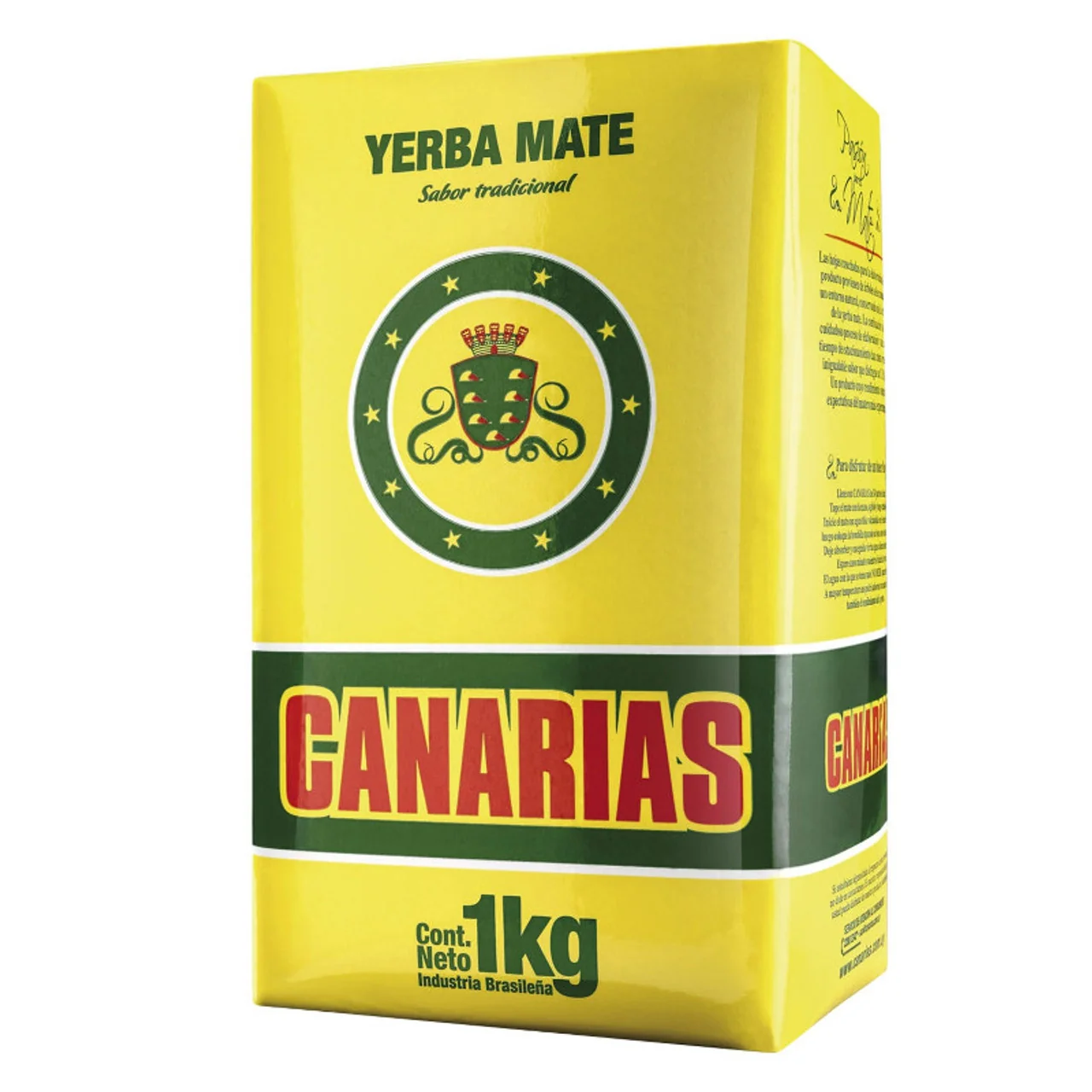
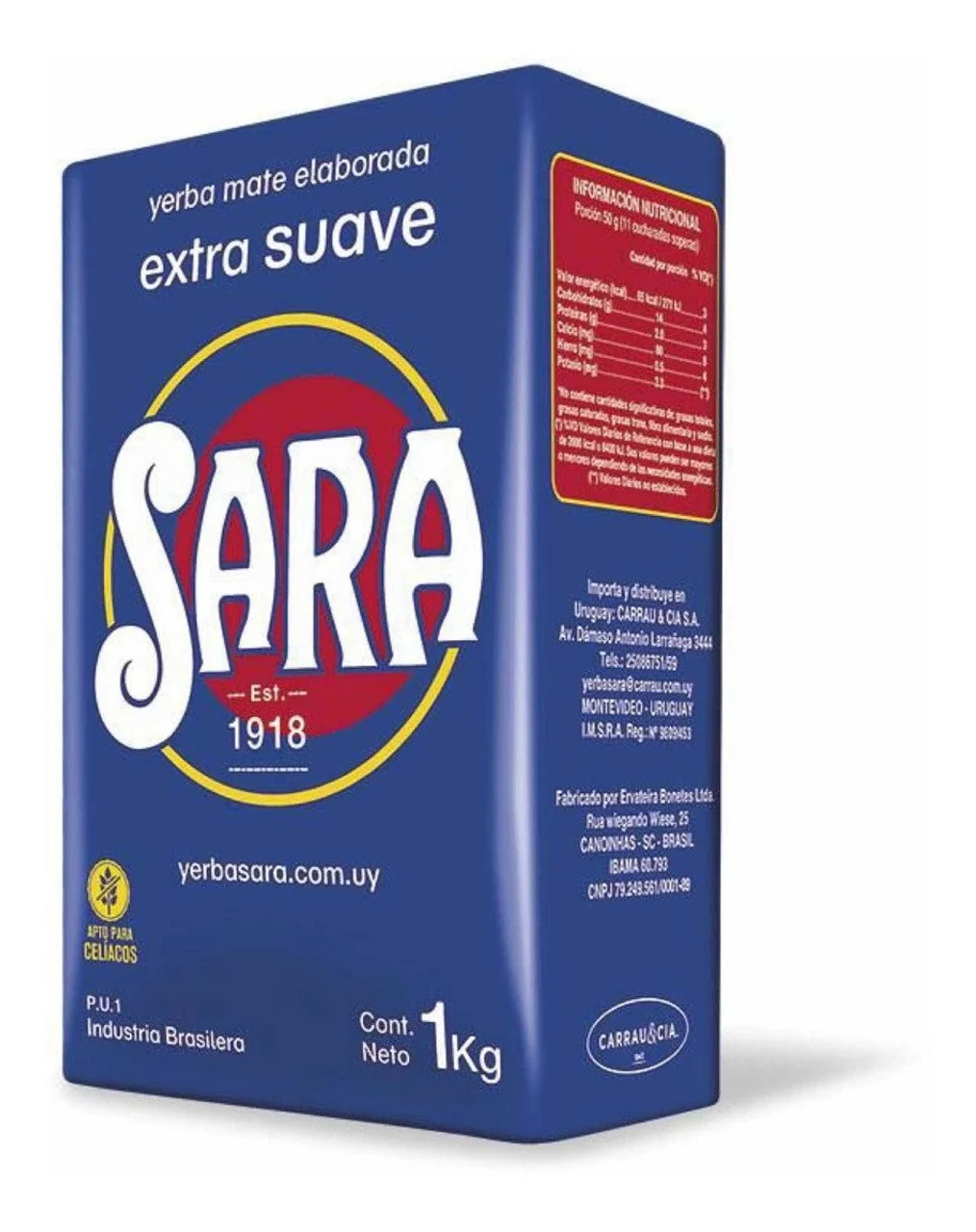
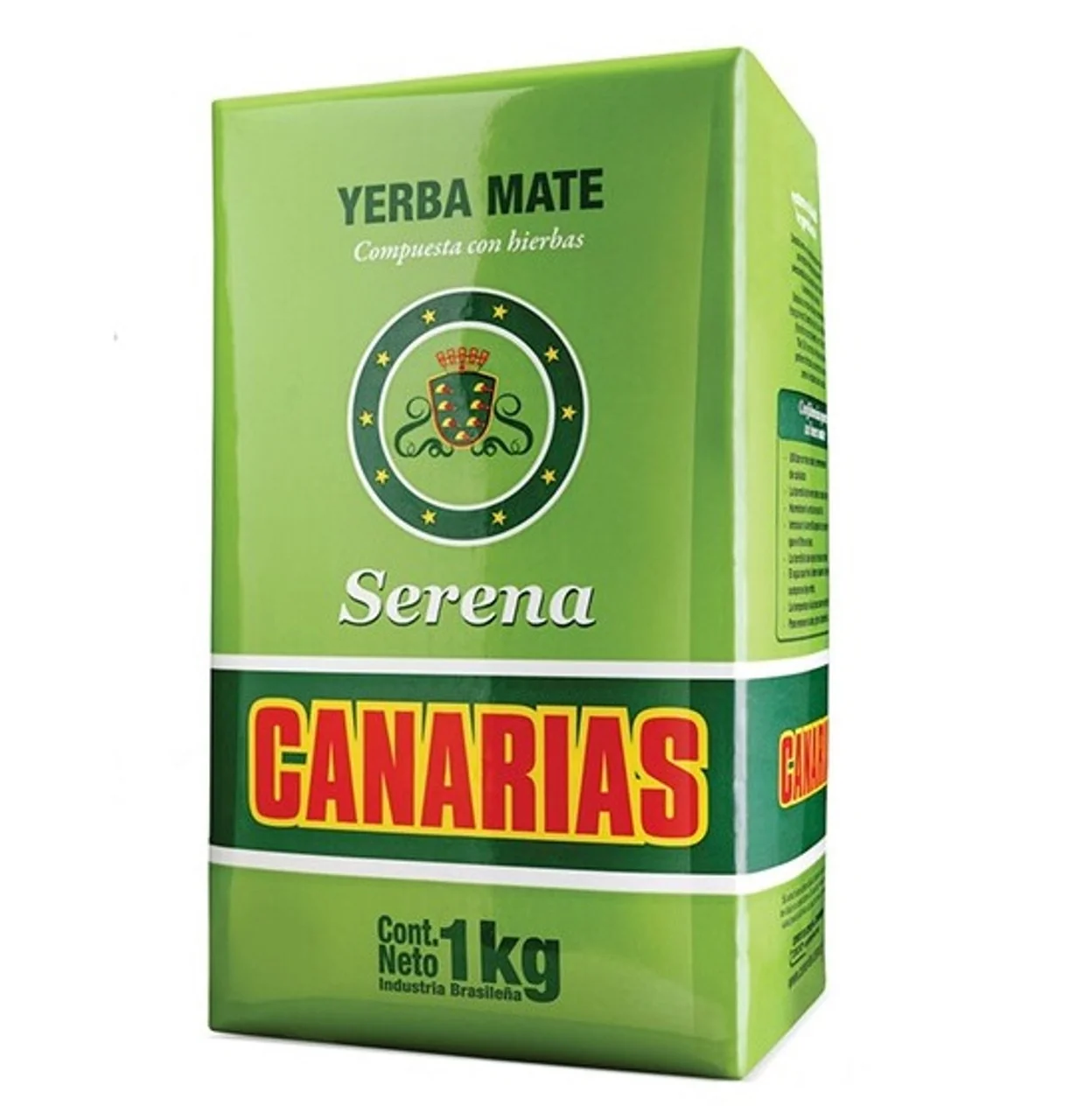
Prices are the last we fetched and can move. As an Amazon Associate we earn from qualifying purchases. It never changes the order, which is always cheapest per cup first.
How we track this
Every product in our catalogue is converted to price per cup and price per kilo on a fixed dose, so movements are comparable across formats and pack sizes. The figures above describe the shape of that catalogue, not a national statistic. The methodology page sets out exactly what is and is not included.
Dig into the data