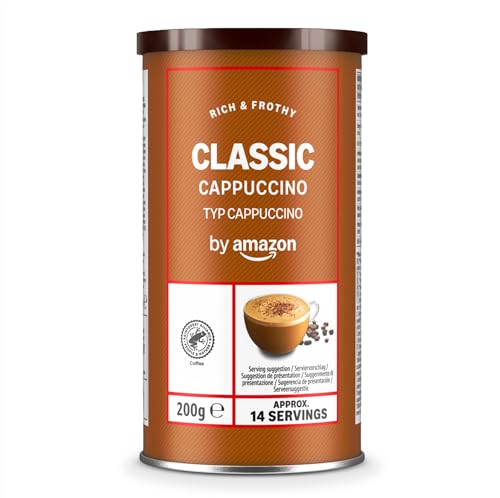
 Check today’s price
 Coffee prices · 2 min read
Why coffee prices are rising
Green coffee, freight, packaging, and the lag between all three. What actually pushes the number on the bag up.
A price rise on the shelf is almost never one thing. Coffee is an agricultural commodity traded on international markets, then wrapped in packaging, shipped across the world and sold through retailers with their own cost base, so a rise is usually several of those at once. It also almost never lands at the same time as the news story that caused it.
It starts with two countries
Two countries dominate world coffee supply: Brazil for arabica, Vietnam for robusta. When either has a bad season the effect is global rather than local, because no other producer is large enough to absorb the shortfall. Drought and frost in Brazil's growing regions, and drought in Vietnam's Central Highlands, have both driven sharp moves in the last few years.
Arabica and robusta are only partly substitutable. Cheap blends can lean harder on robusta when arabica spikes, which is why supermarket blends often move less than speciality bags. When both markets rise together, that release valve closes.
Then everything between the farm and the shelf
- Freight and container rates, which move on shipping disruption and have nothing to do with coffee.
- Packaging: foil, valves, aluminium and plastic for capsules. Capsules are the most exposed format here.
- Energy, which turns up twice, once in roasting costs and again in the retailer's own bill.
- Labour and compliance costs through the supply chain, including deforestation-reporting requirements on imports into the EU and UK.

Why the shelf lags the market
Roasters buy green coffee forward, often months ahead. That is why a commodity spike in one quarter reaches shelves one to three quarters later, and why prices come back down slowly when the market does. The hedge that protected you from the spike also delays the relief.
So there is no point trying to time the market. By the time a price move reaches the news it is already sitting in the forward contracts, and the only thing left in your control is whether you are paying more than you need to for the same product today.
What you can actually do about it
- Compare on price per cup, not pack price. The format you pick swamps the commodity move.
- Buy the largest pack you will drink in six weeks. Pack size is a bigger lever than brand.
- If you drink pods, check compatible capsules: they are typically 30% to 50% cheaper per cup.
- Watch the value end rather than the discount end. A consistently cheap coffee beats an occasionally discounted expensive one.
The cheapest cups we track today
Live from the catalogue, priced on the same 18g dose.
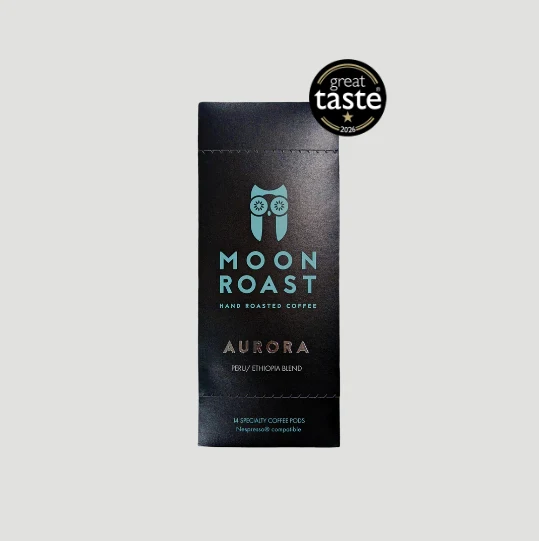

Prices are the last we fetched and can move. As an Amazon Associate we earn from qualifying purchases. It never changes the order, which is always cheapest per cup first.
Compare prices by format