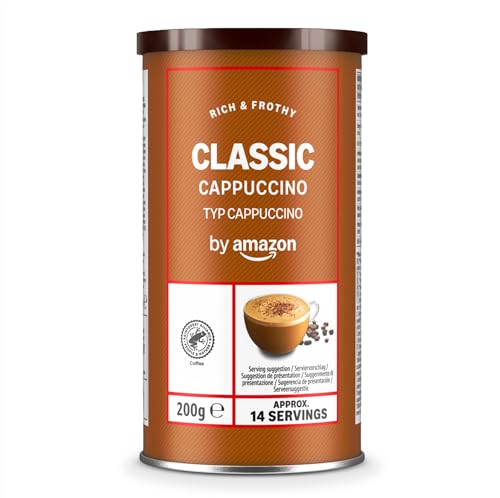
 Check today’s price
 Coffee shopping · 1 min read
The best supermarket coffee, and how to spot it
Supermarket coffee is where most of the UK actually buys. How to find the good end of a very wide aisle.
The supermarket coffee aisle holds both the best value in the UK market and some of the worst. What separates them is rarely the brand on the front. It is the format, the pack size, and whether the pack bothers to tell you when the coffee was roasted.
Buy the format, not the brand
The biggest quality difference in a supermarket is between whole bean and everything else. The biggest price difference is between large packs and small ones. Get those two calls right and the brand on the front matters far less than its packaging would like you to think.
| Aisle option | Typical per cup | Worth buying? |
|---|---|---|
| 1kg whole bean | 15p – 25p | Yes, the best value in the shop |
| 227g–500g ground | 15p – 35p | Yes, if you brew filter or cafetière |
| Own-brand instant | 5p – 10p | Yes, for what it is |
| Machine-brand capsules | 30p – 50p | Only if you are locked to the system |
| 200g 'premium' ground | 40p+ | Rarely: you are buying the box |
What to look for on the pack
- A roast date. A handful of supermarket lines now print one, and they are almost always the best coffee in the aisle.
- A one-way valve on bean bags. No valve usually means the coffee was rested before packing, which means older.
- Named origin rather than "mountain grown" or "finest arabica".
- Price per 100g on the shelf label. It is legally required, and it does the comparison for you.

The own-brand question
Own-brand beans are frequently roasted by the same contract roasters that produce the named brands, and they are consistently cheaper per kilo. Blind, they perform far better than their price suggests, particularly in milk drinks. Where the named brands do earn their premium is in single-origin lines and in the small number of ranges that carry roast dates.
Supermarket-priced coffee we track
Everything here is at the value end of its format.
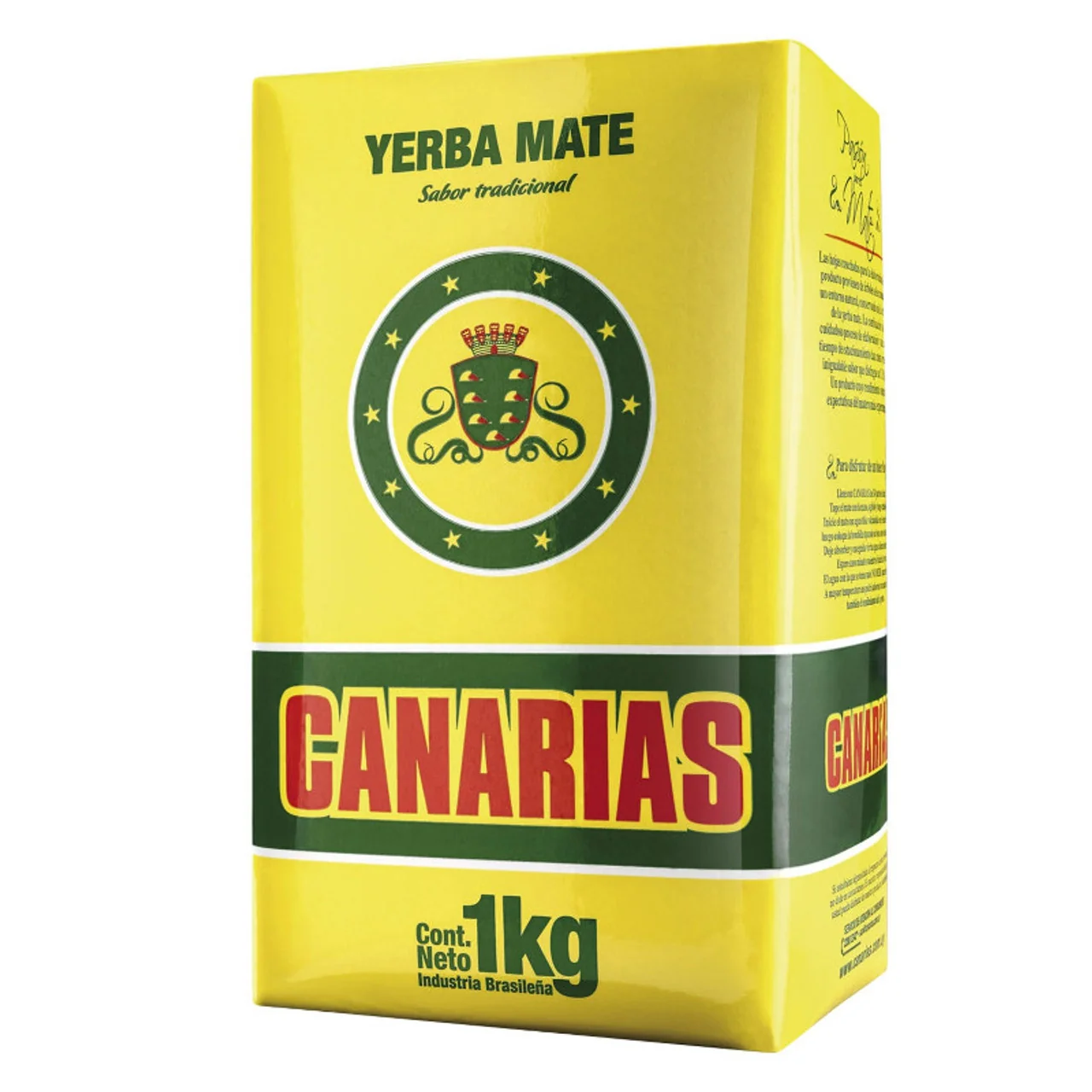
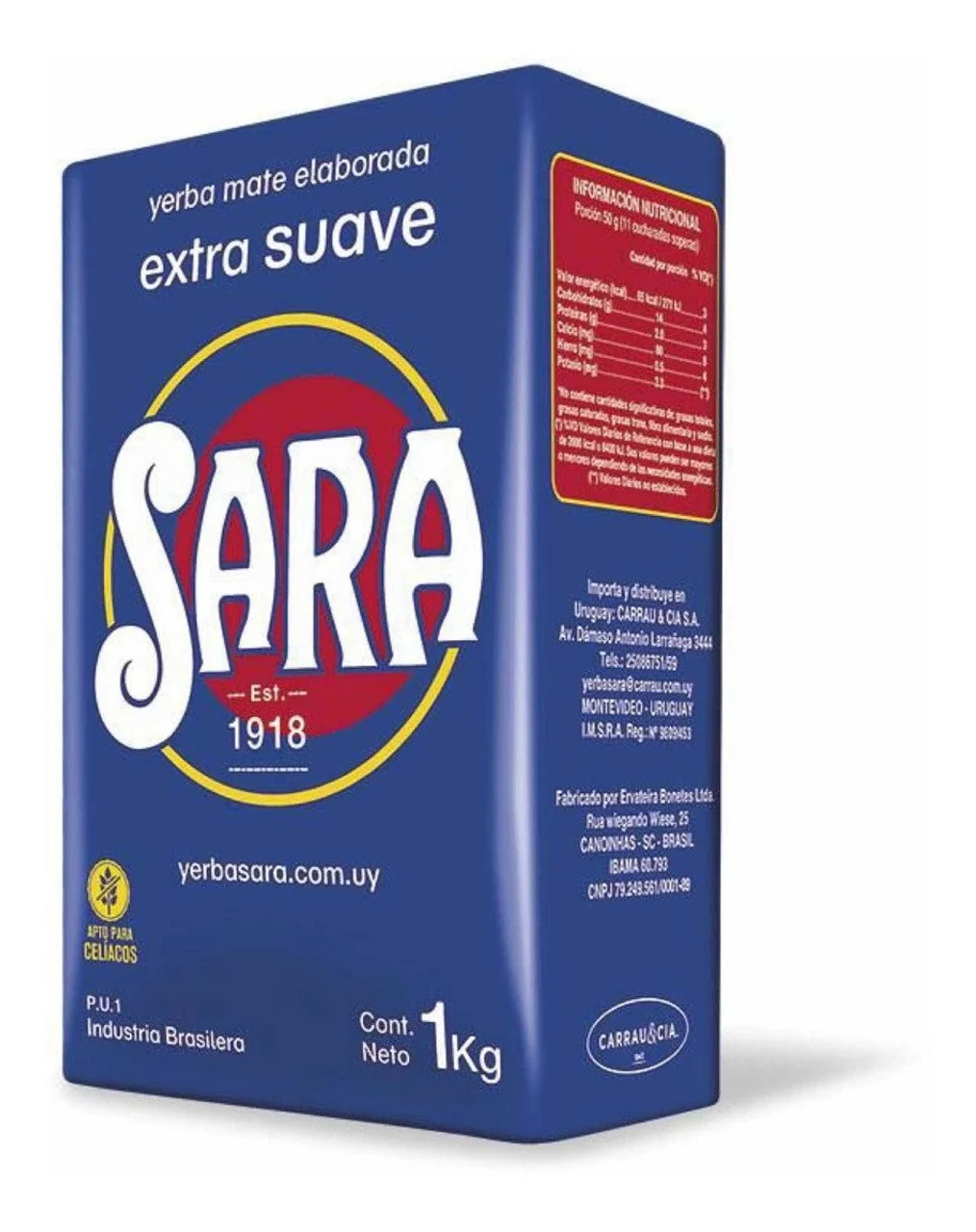
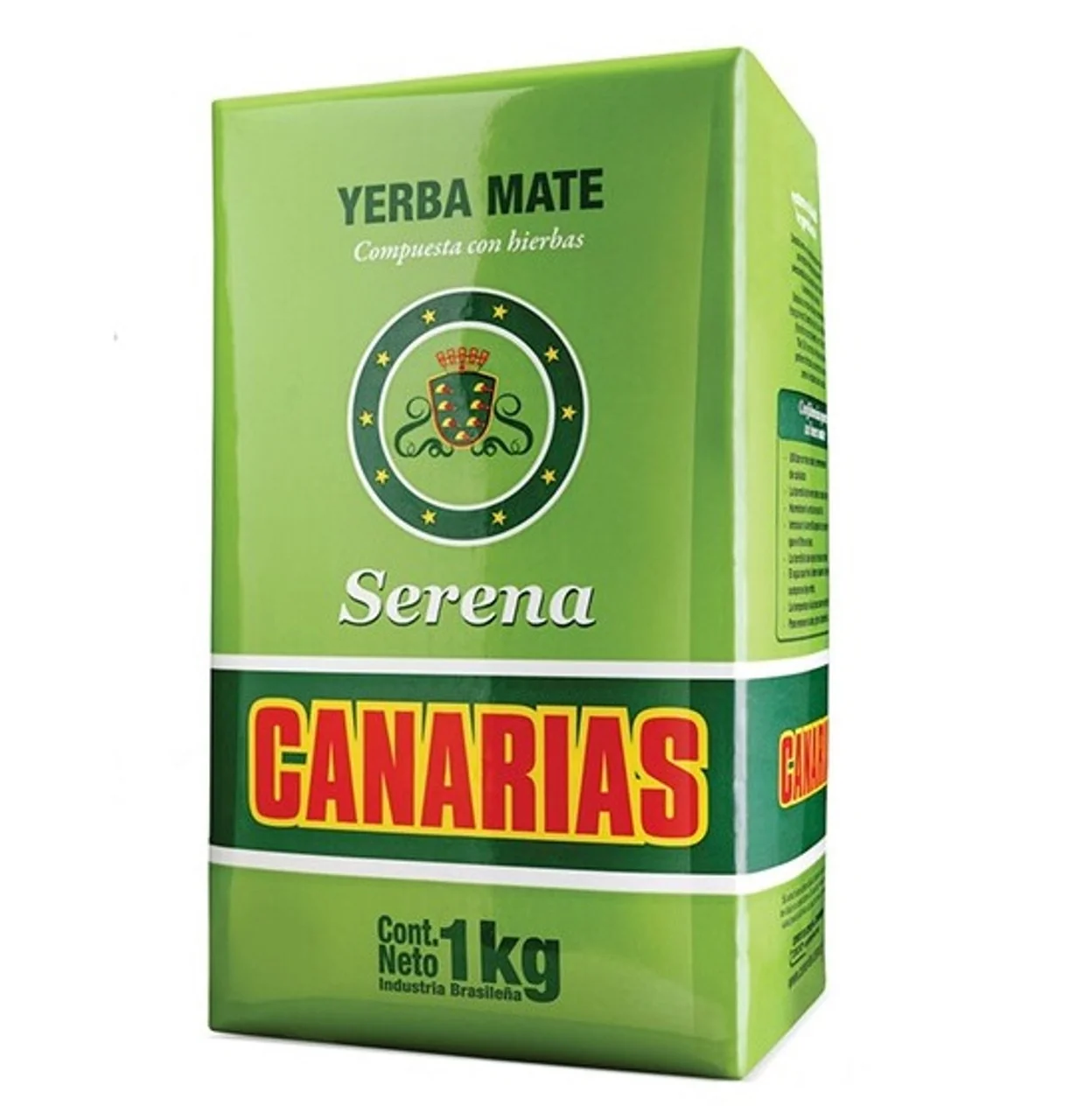
Prices are the last we fetched and can move. As an Amazon Associate we earn from qualifying purchases. It never changes the order, which is always cheapest per cup first.
Compare before you shop